
Beginner Yoga: 8 Simple Poses to Build Strength and Flexibility

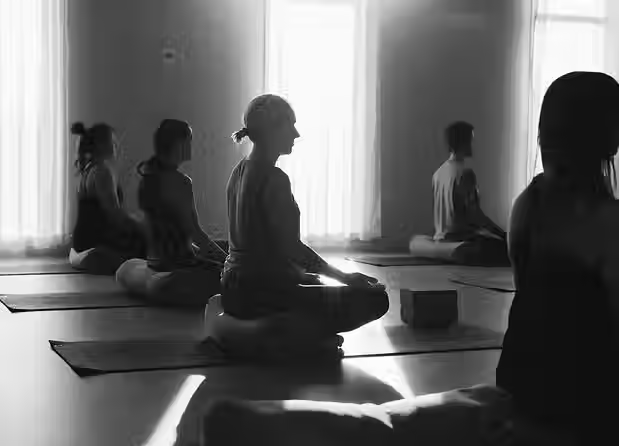
Starting yoga can feel unfamiliar when you have never followed a yoga sequence before. You might wonder which poses to try, how long to hold them or whether you need to be flexible before joining a class. The good news is that you do not need advanced flexibility or previous experience to begin.
These beginner yoga poses can help you develop strength, balance, mobility and body awareness. They are suitable for building a simple home routine or preparing for beginner-friendly yoga classes.
The key is to start at a comfortable level. Focus on steady breathing, controlled movements and finding positions that suit your current ability rather than trying to achieve a perfect pose.
ReDefined offers yoga and MindBody experiences for people looking to incorporate movement, relaxation and wellbeing into their routines. Learning a few basic poses can help you feel more confident before attending a guided session.
Why Is Yoga Useful for Beginners?
Yoga combines movement, breathing and body awareness. Depending on the style, a session may include flowing sequences, strength-focused postures, balance exercises or slower stretches.
For beginners, this variety provides opportunities to work on different aspects of physical movement. Regular practice may support flexibility, balance and physical function while helping you become more familiar with your body's capabilities.
A beginner yoga routine should allow you to progress gradually. You can start with simple postures, use modifications when needed and increase the challenge as your confidence develops.
ReDefined's MindBody Studio offers different yoga styles, including Hatha, Vinyasa and Yin, alongside meditation, breathwork and restorative sessions. Different class levels can also help participants identify a suitable starting point.
When choosing a yoga class, consider your current fitness level, movement experience and personal goals. Selecting a session that matches your ability can make learning the basics more comfortable.
8 Beginner Yoga Poses to Try
The following poses introduce standing, seated, strength and mobility-based movements. Practise them slowly, breathe naturally and avoid pushing into pain.
Yoga pose | Main focus | Beginner tip |
Mountain Pose | Posture and balance | Keep your shoulders relaxed. |
Cat-Cow | Spinal mobility | Move slowly with your breath. |
Child's Pose | Gentle stretching and relaxation | Widen your knees if comfortable. |
Downward-Facing Dog | Full-body strength and mobility | Keep your knees slightly bent. |
Warrior I | Leg strength and stability | Shorten your stance if needed. |
Bridge Pose | Glutes and core | Lift your hips only as far as comfortable. |
Tree Pose | Balance and concentration | Stand near a wall for support. |
Seated Forward Fold | Hamstring flexibility and mobility | Bend your knees if necessary. |
1. Mountain Pose
Mountain Pose looks simple, but it introduces the foundations of many standing yoga postures.
Stand with your feet about hip-width apart or in another comfortable position. Let your arms rest naturally by your sides, relax your shoulders and gently lengthen through the top of your head.
Take several slow breaths while noticing how your feet connect with the floor.
This pose helps you develop awareness of your posture and balance. It can also serve as a starting position between other standing movements.
2. Cat-Cow
Cat-Cow is a gentle movement that encourages spinal mobility and is commonly included in beginner yoga sequences.
Start on your hands and knees. As you breathe in, gently move your spine into a comfortable extension. As you breathe out, slowly round your back.
Avoid exaggerating the movement. Focus on moving smoothly while maintaining steady breathing.
If you spend long periods sitting during the day, Cat-Cow can be a useful addition to your beginner yoga stretches at home or as part of a guided class.
3. Child's Pose
Child's Pose provides an opportunity to pause, relax and breathe during your yoga practice.
Begin on your hands and knees, then gradually move your hips back towards your heels. Keep your knees together or move them wider, depending on what feels comfortable.
Extend your arms forwards or rest them alongside your body. Lower your head towards the mat only if that position feels comfortable.
If your hips do not move easily towards your heels, place a cushion or folded towel underneath you for additional support.
4. Downward-Facing Dog
Downward-Facing Dog combines upper-body support, leg strength and mobility, making it a useful posture for yoga beginners.
Start on your hands and knees, tuck your toes under and gently lift your hips upwards and backwards. Focus on keeping your spine long rather than trying to straighten your legs completely.
A common beginner mistake is trying to push the heels towards the floor. Instead, keep your knees slightly bent if that helps you maintain a comfortable position.
Hold the pose for a few steady breaths before returning to your hands and knees.
5. Warrior I
Warrior I introduces a stronger standing position while encouraging stability and controlled movement.
Step one foot backwards and turn it slightly outwards. Bend your front knee while keeping the movement controlled. Keep your back leg active and raise your arms towards the ceiling if comfortable.
Your stance does not need to be wide. A shorter stance can help you maintain balance while learning the posture.
Warrior I is a useful addition to a beginner yoga workout because it combines leg strength, balance and body awareness.
6. Bridge Pose
Bridge Pose is a beginner-friendly movement that engages the muscles around your hips and core.
Lie on your back with your knees bent and feet resting on the floor about hip-width apart. Press gently through your feet and lift your hips while keeping your movement controlled.
You do not need to lift as high as possible. Focus on engaging your glutes and maintaining a comfortable position through your spine.
Lower slowly and repeat for a few controlled repetitions or hold the pose for several breaths.
7. Tree Pose
Tree Pose introduces balance, concentration and body control.
Stand tall and shift your weight onto one foot. Place the other foot against your lower leg or inner thigh, avoiding direct pressure against the knee joint. Keep your hands in a position that helps you feel stable.
If balancing on one leg feels difficult, leave the toes of your raised foot on the floor. You can also practise near a wall for extra support.
With regular practice, you may gradually become more comfortable maintaining the position.
8. Seated Forward Fold
A seated forward fold is one of several beginner yoga stretches that can help you work on the flexibility of the backs of your legs.
Sit with your legs extended in front of you. Keep your spine long and gently reach forwards from your hips.
Your hands do not need to reach your feet. If your hamstrings feel tight, bend your knees slightly.
Avoid pulling yourself down forcefully. Aim for a comfortable stretch while maintaining steady breathing.
How to Modify Beginner Yoga Poses
One of the most important things to understand when starting yoga is that poses can be modified to suit different abilities.
For example, you can bend your knees during Downward-Facing Dog, use a wall for Tree Pose or shorten your stance during Warrior I. A folded towel, cushion or yoga block can also help you find a more comfortable position.
Modifications are not a sign that you are doing yoga incorrectly. They allow you to work with your current mobility and gradually develop control.
If you experience pain rather than a normal stretching or effort sensation, stop the movement.
People with existing injuries, health conditions or specific physical concerns should consider consulting an appropriate healthcare professional before starting a new exercise programme.
If you attend a guided class, let your instructor know if you are new to yoga or need help adapting a posture.
How to Build a Beginner Yoga Routine
You do not need a long session to begin developing a consistent yoga practice.
A simple routine could include:
Spend a few minutes breathing comfortably and preparing your body for movement.
Practise Mountain Pose to establish a comfortable standing position.
Move through Cat-Cow to encourage spinal mobility.
Try Downward-Facing Dog and Warrior I at a manageable level.
Include Bridge Pose and Tree Pose for strength and balance.
Finish with Child's Pose or a comfortable seated stretch.
As you become more familiar with the movements, you can gradually adjust your routine to suit your goals and comfort level.
Consistency matters more than attempting a difficult sequence straight away. Regular, manageable practice can help you become familiar with the poses and observe how your mobility and control change over time.
If you prefer learning with guidance, beginner yoga classes can help you understand the movements and build confidence. An instructor can demonstrate each pose, explain alignment and suggest modifications based on your experience.
Finding a Yoga Class That Suits Your Needs
Choosing a class that matches your experience and preferences can make it easier to incorporate yoga into your routine.
ReDefined has studios in Papamoa and Takapuna, offering opportunities to explore yoga and other wellbeing activities. When comparing available sessions, consider the teaching style, class level and facilities that best suit your goals.
Exploring Different Movement Options
Some wellbeing studios offer more than yoga alone. Depending on the facilities available, you may be able to combine yoga with Reformer Pilates, strength and conditioning, open gym sessions or recovery activities.
Trying different forms of movement can help you identify what you enjoy and develop a routine that feels sustainable.
Before booking, review the class descriptions, session levels and membership options. If you are unsure which session to choose, contact the team for guidance.
You can check the current ReDefined class timetable to plan your sessions and review the available options.
What Should Beginners Expect From a Yoga Class?
Many people assume yoga classes involve difficult poses or advanced flexibility. In reality, classes can vary considerably depending on the style, sequence and level.
Some sessions focus on flowing movement and strength, while others place greater emphasis on mobility, relaxation or restoration. Understanding these differences can help you choose a class that matches your experience and preferences.
ReDefined's MindBody offering includes different yoga styles alongside meditation, breathwork and restorative workshops. These options allow participants to explore different approaches to movement and relaxation.
If you are attending a class for the first time, arrive with enough time to settle in, let the instructor know about your experience level and ask questions if you are unsure about a movement.
You do not need to master the eight poses in this article before attending. A willingness to learn and move at your own pace is a good place to start.
Breathing During Beginner Yoga
Breathing is an important part of yoga. Rather than holding your breath while trying to maintain a difficult position, aim for slow, steady and comfortable breathing.
For many movements, you can breathe in as you prepare or lengthen and breathe out as you move into a comfortable position. The exact pattern can vary between yoga styles, so beginners do not need to overthink it.
Instead, use your breath as a reminder to stay present and avoid rushing through the movements.
If you notice that you are holding your breath, reduce the intensity of the pose or return to a more comfortable position.
When Should You Move From Home Practice to Classes?
Home practice can be a useful way to become familiar with basic yoga movements. However, guided classes offer additional opportunities to learn technique, understand alignment and explore how individual poses connect into a sequence.
An instructor can demonstrate movements, answer questions and suggest modifications. This can be particularly helpful if you are unsure how to position your body or adapt a pose to your current ability.
ReDefined's Yoga and Meditation offering combines different yoga styles with meditation, breathwork and other MindBody sessions, allowing participants to explore different approaches as they develop their practice.
Review the available class options and levels to decide which session might suit your experience and interests.
Start With Where You Are
You do not need to touch your toes, hold a complicated balance or complete an advanced sequence to begin yoga.
Start with simple movements, focus on breathing and use modifications whenever needed. Give yourself time to learn and build confidence gradually.
These eight beginner yoga poses provide a foundation for developing strength, flexibility, balance and body awareness. As you become more comfortable, you can explore different yoga styles and sequences that match your interests.
If you are ready to learn with guidance, explore Yoga and Meditation at ReDefined and find a practice that suits your current level and movement needs.
Ready to begin your yoga journey? Contact ReDefined on 022 454 6945 or email us@redefined.nz to learn more about the available yoga and wellbeing options.


Comments